

From Grape to Glass: The Journey of Wine
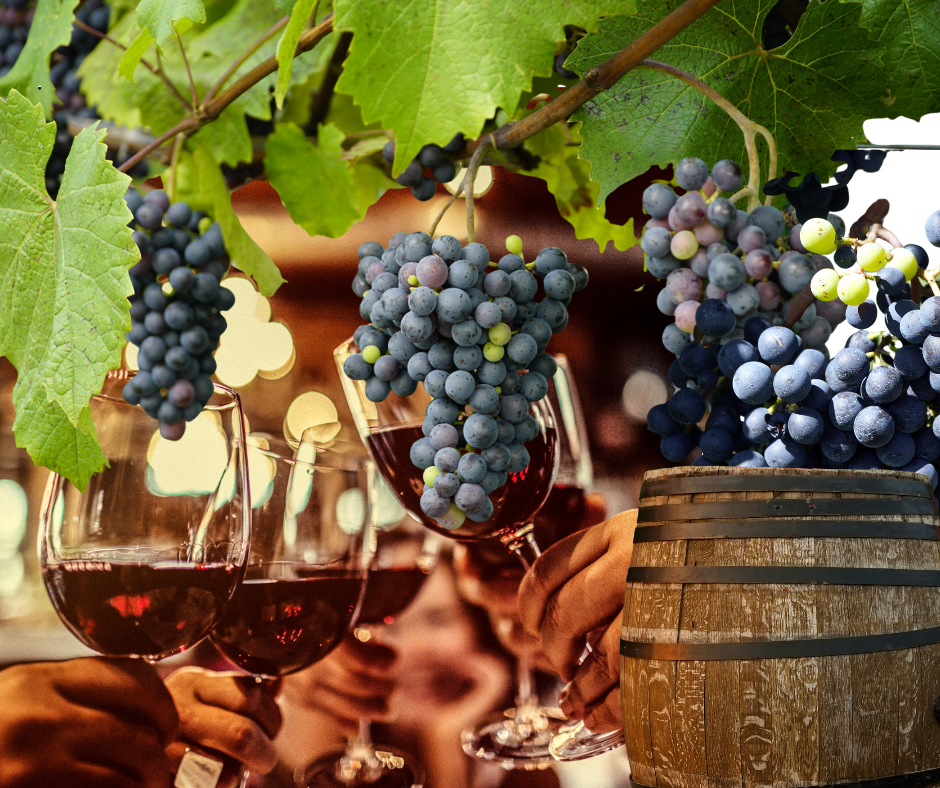
1. It All Starts in the Vineyard
Wine begins its life in the vineyard, where grapevines thrive in carefully chosen soil and climate conditions. The type of grape, the region it’s grown in, and even the amount of sunshine it gets all influence the flavor of the final wine. In fact, this sense of “place” is so important it even has a name, "terroir", which captures how soil, weather, and geography all combine to give wine its unique character.
2. Harvest Season is a Race Against Time
Timing is everything. Grapes are harvested once they reach the perfect balance of sugar and acidity—too early, and the wine can taste sour; too late, and it may be overly sweet. Some wineries still pick grapes entirely by hand, using traditional methods to ensure only the best fruit makes it into the barrel.
3. Crushing & Fermentation — Where the Magic Happens
Once harvested, the grapes are crushed to release their juice (don’t worry, no one stomps them with their feet anymore—usually!). Yeast is then added to begin fermentation, a process where natural sugars turn into alcohol. This stage can take anywhere from a few days to a few weeks, depending on the type of wine being made.
4. Aging to Perfection
After fermentation, wine is aged to develop flavor and depth. Some are aged in stainless steel tanks for a crisp, clean taste, while others rest in oak barrels, soaking up warm, woody notes and subtle spice. The longer the aging process, the more complex the wine becomes, patience truly pays off!
5. Bottling & Beyond
When the winemaker decides the wine is ready, it’s filtered, bottled, corked, and sometimes aged even longer in the bottle. Each sip you take is the result of months, or even years, of care, craftsmanship, and creativity.
6. A Work of Art in Every Pour
Much like painting, winemaking is both an art and a science. Both require attention to detail, creativity, and a touch of intuition. Every batch of wine, like every painting, is one-of-a-kind.