

From Samhain to Candy Corn: : How Halloween Became Halloween
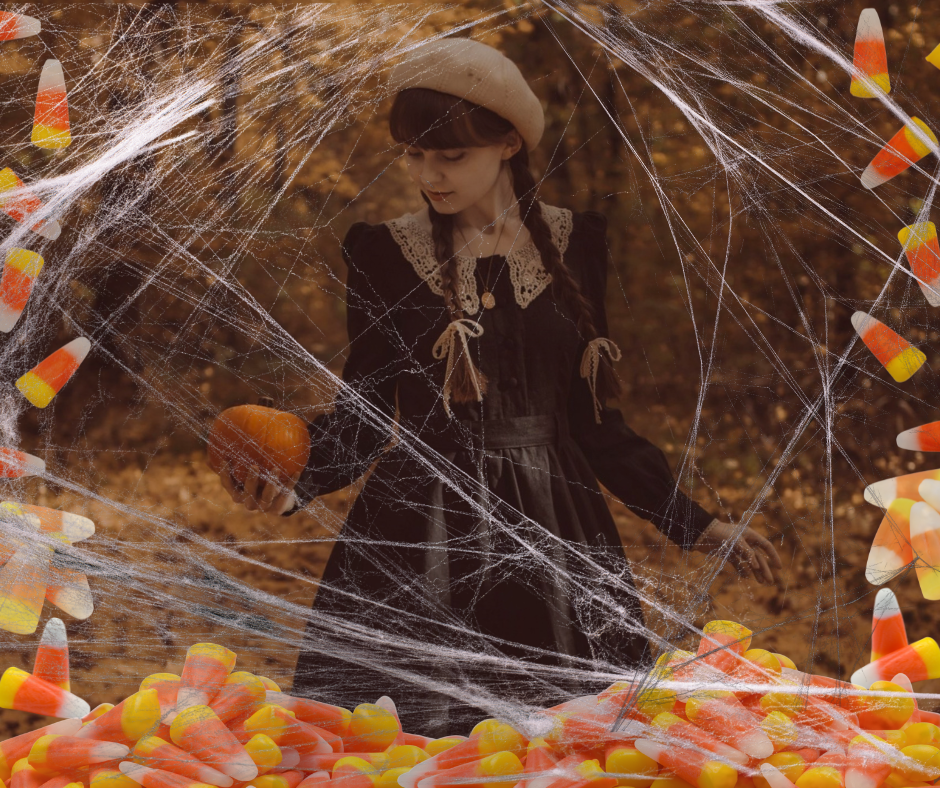
But Halloween didn’t start with candy, costumes, or horror movies. The holiday we know today grew from centuries of traditions, including ancient Celtic festivals, Christian feast days, Irish folklore, community celebrations, and America’s love of sweets.
*** It Started With “Samhain"
Many historians trace some of Halloween’s oldest traditions to Samhain (pronounced SAH-win or SOW-in), an ancient Celtic festival held around the end of October and beginning of November.
For communities in Ireland and Britain, Samhain marked the end of harvest and the beginning of winter. It was also tied to beliefs that the boundary between the everyday and supernatural worlds was thinner, inspiring stories of spirits, fairies, omens, and the dead.
Bonfires, gatherings, and disguises were part of the festivities... though inflatable dinosaur costumes were still a few centuries away.
*** Then Came "All Hallows’ Eve"
As Christianity spread through Europe, older seasonal traditions blended with Christian observances. By the Middle Ages, November 1 was All Saints’ Day (All Hallows’ Day) and November 2 was All Souls’ Day, a time to remember the dead.
That made October 31 All Hallows’ Eve, a name that eventually became Halloween. Over time, religious customs, folklore, and seasonal traditions all combined to shape the holiday we know today.
*** Trick-or-Treating Has Some Very Old Relatives
The path from medieval Europe to ringing your neighbor’s doorbell for a miniature Snickers is a long one, but Halloween’s door-to-door traditions have old roots.
In Britain and Ireland, souling involved visiting homes for food or “soul cakes” in exchange for prayers for the dead. Another tradition, guising, had people dressing in disguise and performing a song, poem, joke, or trick for treats.
So while medieval children weren’t shouting “trick or treat,” the basic idea has been around for centuries.
*** The Original Jack-o’-Lantern Wasn't a Pumpkin
One of Halloween’s most recognizable traditions began in Ireland and Britain, where people carved frightening faces into turnips and other root vegetables. The custom became linked to folklore about Stingy Jack, which helped inspire the name “jack-o’-lantern.”
When Irish immigrants brought the tradition to North America, they found pumpkins that were larger, hollow, and much easier to carve. The modern jack-o’-lantern was born, and thankfully, most of us no longer have to carve a turnip.
*** Halloween Comes to America
Halloween became more common in the United States during the 1800s, especially as Irish and Scottish immigrants brought their traditions with them.
By the late 19th and early 20th centuries, the holiday was shifting from ghosts and superstition toward community celebrations with costumes, games, food, and seasonal decorations. Newspapers even encouraged families to favor neighborhood parties over destructive pranks... apparently Halloween mischief had gotten a little out of hand.
*** Costumes, Candy, and the Rise of Trick-or-Treating
The modern American version of trick-or-treating took shape in the early 20th century, as children increasingly dressed in costumes and visited neighbors for treats. The tradition slowed during World War II because of sugar rationing, but quickly returned afterward.
By the 1950s, trick-or-treating was firmly established, and candy companies recognized the opportunity. Packaged sweets soon began replacing homemade cookies, fruit, nuts, and other traditional treats.
*** And Then There Was Candy Corn
Few foods are as tied to Halloween — or as divisive — as candy corn. Dating back to the late 1800s, its yellow, orange, and white design was meant to resemble kernels of corn, fitting perfectly with the harvest season.
Over time, candy corn became a Halloween staple. Today, people tend to either wait all year for it… or wonder why anyone does. Either way, it has earned its place in Halloween history.
*** Halloween Keeps Reinventing Itself
That may be the most interesting thing about Halloween: it never stopped changing. Harvest festivals blended with religious traditions, folklore became entertainment, turnips became pumpkins, disguises became costumes, and soul cakes became fun-size candy bars.
Today, Halloween can mean haunted houses, scary movies, trick-or-treating, pumpkin patches, costume parties, or simply decorating everything in orange and black. Centuries later, we’re still gathering, telling stories, making things, eating something sweet, and enjoying the mysterious side of the season.
Here in Raleigh, Pinot’s Palette Brier Creek adds a creative twist with upcoming Halloween painting classes featuring pumpkins, ghosts, moonlit scenes, and other spooky favorites. Grab a friend, your favorite drink, and come create something Halloween-worthy... *** no turnip carving required. :)