

Reboots: Reviving Comfort Shows or A Result of Creative Stagnation?
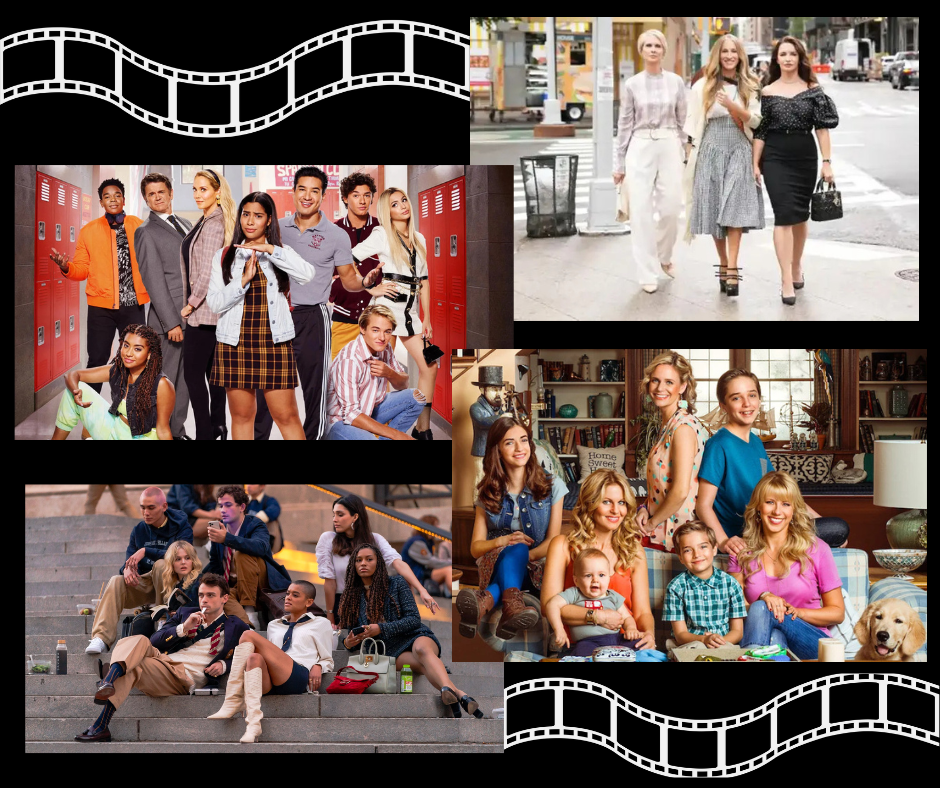
Think: beloved sitcoms from the 90s, or blockbuster franchises that have been revived for a new generation. What about a sequel to a story that ended years ago?
Reboots, remakes, revivals, and sequels have become a defining part today’s pop culture scene; They’ve sparked a huge question:
Are these projects just a comforting return to stories we love, or an unfortunate sign that originality is a thing of the past?
((The answer, unsurprisingly, is complicated))...
--- REBOOTS FEEL SAFE ---
Reboots do have the ability to tap into something deeply human: nostalgia. When a story that you already love is revisited, it can immediately feel like catching up with an old friend.
Revisiting a story we already love can feel like catching up with an old friend. For studios, that emotional connection also comes with a practical upside—built-in audiences and recognizable IP reduce financial risk.
Some reboots have managed to strike that balance between familiarity and reinvention beautifully:
Battlestar Galactica
The 2004 reboot took a campy sci-fi concept from the late ’70s and transformed it into a dark, politically charged drama. It didn’t just modernize the visuals—it deepened the themes, making it feel timely and urgent.
Mad Max: Fury Road
More reboot-adjacent than remake, this film proved you can honor the spirit of an old franchise while radically updating its storytelling and energy. Sparse dialogue, relentless momentum, and stunning practical effects made it feel fresh rather than recycled.
Creed
Instead of retelling Rocky, Creed reframed the story through a new protagonist while still respecting its roots. It showed how legacy characters can support new voices rather than overshadow them.
Doctor Who
Its long-running success lies in its ability to regenerate—literally and creatively—using the same premise to explore new tones, ideas, and eras.
In these cases, reboots work because they add something new. They expand the world, update the themes, or reflect the time they’re made in.
--- HAS NOSTALGIA TURNED INTO A CRUTCH? ---
On the other side of the spectrum are reboots and sequels that feel less like creative re-imaginings and more like corporate déjà vu. These projects often rely too heavily on recognition, assuming familiarity alone is enough to sustain interest.
A few notable examples where things didn’t quite land:
The Mummy
Intended to launch a shared “Dark Universe,” this reboot struggled under the weight of franchise ambition. World-building replaced storytelling, and the result felt cluttered and impersonal.
Fuller House
While it found an audience, many critics felt it leaned too heavily on callbacks and catchphrases, offering little growth beyond nostalgia for the original Full House.
Terminator Genisys
By repeatedly rebooting timelines without a clear emotional through-line, the franchise lost much of what originally made it compelling.
Fantastic Four
A darker tone alone wasn’t enough to justify yet another restart. Without a strong creative vision, the reboot felt disconnected from both fans and newcomers.
These projects highlight a common pitfall: when a reboot exists primarily because the name is valuable, rather than because there’s a story worth retelling.
--- THE DEATH OF ORIGINALITY? ---
It can feel that way—but the reality is more nuanced. Original stories are still being made; they just don’t always receive the same marketing push or cultural spotlight as recognizable franchises. Meanwhile, reboots often dominate conversation because they arrive preloaded with expectations.
The real issue isn’t the existence of reboots—it’s how they’re made. When creators use familiar frameworks to explore new ideas, challenge old assumptions, or pass the torch to new voices, reboots can be creatively energizing. When they exist solely to replay greatest hits, they risk turning culture into a loop.
--- COMFORT vs CHANGE ---
Reboots thrive because they offer comfort in an uncertain world. There’s nothing inherently wrong with that. But culture also depends on curiosity—on stories that surprise us, challenge us, and take risks without a safety net of nostalgia.
The healthiest creative landscape isn’t one without reboots. It’s one where reboots coexist with bold original ideas—and where familiarity is a starting point, not the entire pitch.
In the end, the question isn’t whether we should stop revisiting old stories. It’s whether we’re brave enough to ask something new of them—and of ourselves—when we do.
Share Come Paint With Us! | Upcoming Reboots To Look Out For!