

How Is Ai Quietly Showing Up in Our Daily Lives?
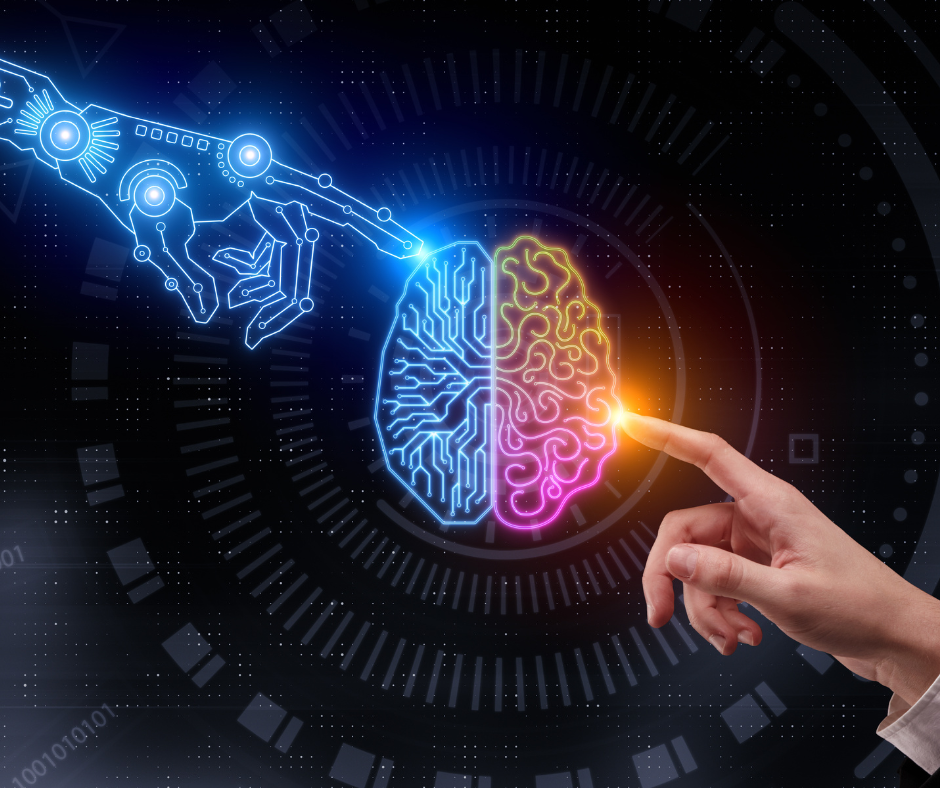
Your phone suggests the fastest route to work, as your email filters out spam before you ever see it. You’ve noticed how your streaming services recommend “The Next Show You’ Probably Love”, and how you can find specific photos on your phone, already organized by faces, places, and moments.
All these things are constantly learning your habits, trying to help you make life faster, easier, and more convenient.
You're likely already aware that AI is also shaping how we shop, travel, and communicate. Online stores predict what you might want before you search; Voice assistants answer questions, set reminders, and control lights; Translation apps help bridge language barriers instantly; Fitness trackers analyze sleep patterns and heart rates to offer personalized insights. None of this feels dramatic or creepy… and that’s exactly the point.
The most powerful technologies are often the ones that seamlessly blend into daily life.
Even in the workplace, AI is becoming an invisible collaborator. It helps schedule meetings, summarize documents, analyze data, detect fraud, and automate repetitive tasks. In healthcare, it assists in reading scans, predicting outcomes, and identifying patterns doctors might miss. In education, it personalizes learning paths and supports tutoring. Rather than replacing people, much of today’s AI is designed to quietly support better decisions, efficiency, and creativity.
BUT, the rapid progress of Artificial Intelligence also raises some questions:
How much should machines influence choices?
Who owns the data being used?
How do we preserve privacy, originality, and human judgment in an increasingly automated world?
** These conversations are only just beginning, and they will shape how technology evolves in the years ahead.
Yet even as AI becomes more capable of generating images, composing music, and writing text, there are still experiences that technology cannot truly replace.
No algorithm can replicate the feel of a paintbrush in your hand. No digital image can capture the joy of mixing colors, laughing with friends, or stepping back to admire something you created yourself.
Creativity is not just about the final result, but about the process, the emotion, and the moment.
In a world that is growing more digital by the day, there is something deeply meaningful about slowing down, creating with your hands, and expressing yourself on a real canvas. Technology may continue to evolve, but the human desire to create, connect, and experience beauty in tangible ways will always remain timeless.