

Data Centers: Progress or Problem Next Door?
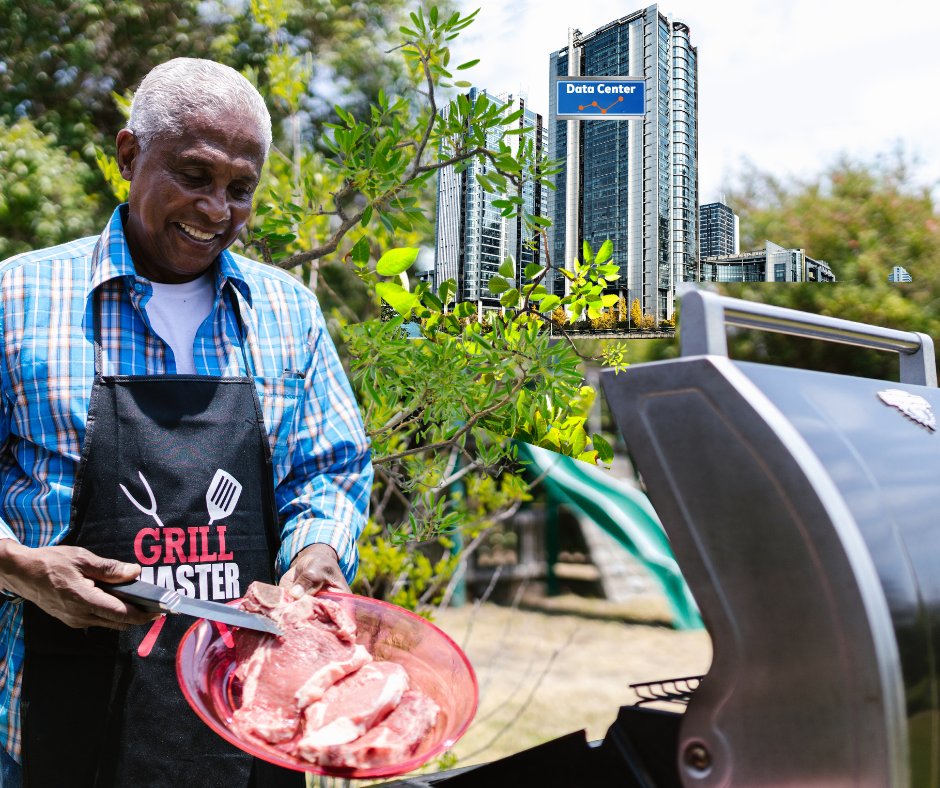
With public opposition growing, the question is whether communities are resisting progress or raising valid concerns about who receives the benefits and who carries the costs.
What Exactly Do Data Centers Do?
Data centers store and process the information behind websites, streaming, banking, cloud storage, online shopping and AI. Nearly every digital service depends on this physical equipment somewhere.
The concern is that modern data centers can require enormous amounts of electricity, water, land and supporting infrastructure.
The Electricity Question
Data centers use enormous amounts of power. The International Energy Agency estimates their global electricity use grew 17% in 2025 and could more than double by 2030, with data centers driving nearly half of U.S. electricity-demand growth through the end of the decade.
Because this demand is concentrated in specific communities, residents worry about strain on local grids, higher utility bills and who will pay for new power infrastructure. Data centers are not the only reason electricity costs are rising, but their rapid growth is adding significant pressure.
Water Use and Local Supply
Data centers must be cooled continuously, and some use large amounts of water. In drought-prone areas or communities with aging infrastructure, this can strain local supplies, especially during hot weather when demand is already highest.
Residents reasonably want to know whether drinking or reclaimed water will be used, what happens during droughts and who will pay for infrastructure upgrades. Without clear answers, communities may feel they are giving up a limited resource without receiving enough benefit in return.
Noise, Air Quality and Health Concerns
Data centers can create around-the-clock noise from cooling systems, transformers and backup generators, which nearby residents may link to sleep disruption and headaches. Diesel generators and fossil-fueled power sources can also produce air pollution associated with respiratory and cardiovascular illness and increased long-term cancer risk.
There is no evidence that computer servers themselves cause cancer, but concerns about noise, generator emissions and energy sources are still legitimate.
Large Investment, but How Many Jobs?
Data centers can bring billions of dollars in investment, construction work and local tax revenue. However, once built, they often create relatively few permanent jobs and may receive tax incentives that reduce their financial benefit to the community.
The real question is how much long-term value remains after subsidies, infrastructure costs and environmental impacts are considered.
The Good Data Centers Can Bring
Data centers support essential services including healthcare, education, remote work, scientific research, public services and AI development. They can also encourage investment in renewable energy, battery storage and stronger electrical grids.
New cooling systems, recycled water, efficient servers and cleaner backup power can reduce their impact. The real question is whether companies and local governments will require these better practices.
What Responsible Development Could Look Like
Communities can require data centers to disclose their expected water and electricity use, pay for necessary infrastructure upgrades and follow enforceable limits on noise, emissions and resource use. Tax incentives should be tied to permanent jobs, environmental standards and clear local benefits, with projects placed near existing industrial infrastructure rather than homes or limited water supplies.
Most importantly, these protections should be legally binding, not just promises made before construction begins.
Finding a Better Balance
Data centers are essential to digital life, but their benefits must be balanced against their impact on local land, power, water and neighborhoods. With transparency, enforceable protections and meaningful community benefits, they can be valuable investments; without them, “not in my backyard” is a reasonable response.
CREATIVITY BEYOND THE CLOUD
As AI and data centers become a larger part of daily life, handmade creativity offers something technology cannot replace. At Pinot’s Palette, every brushstroke comes from your own imagination... along with the laughter of friends, time with loved ones and perhaps a glass of wine in your hand. AI can generate an image, but it cannot recreate the experience or personal meaning of making something yourself.